Where is the museum located
Contact information
- Address: Emir Palace Rd, Wudilawa, Kano 700103, Kano.
- GPS coordinates: 11.988781, 8.521036.
- Phone: +2348163739092.
- Official website:
- Opening hours: 8 AM–6 PM.
- Ticket prices: ₦100.
A Storied Past Encased in Mud and Majesty
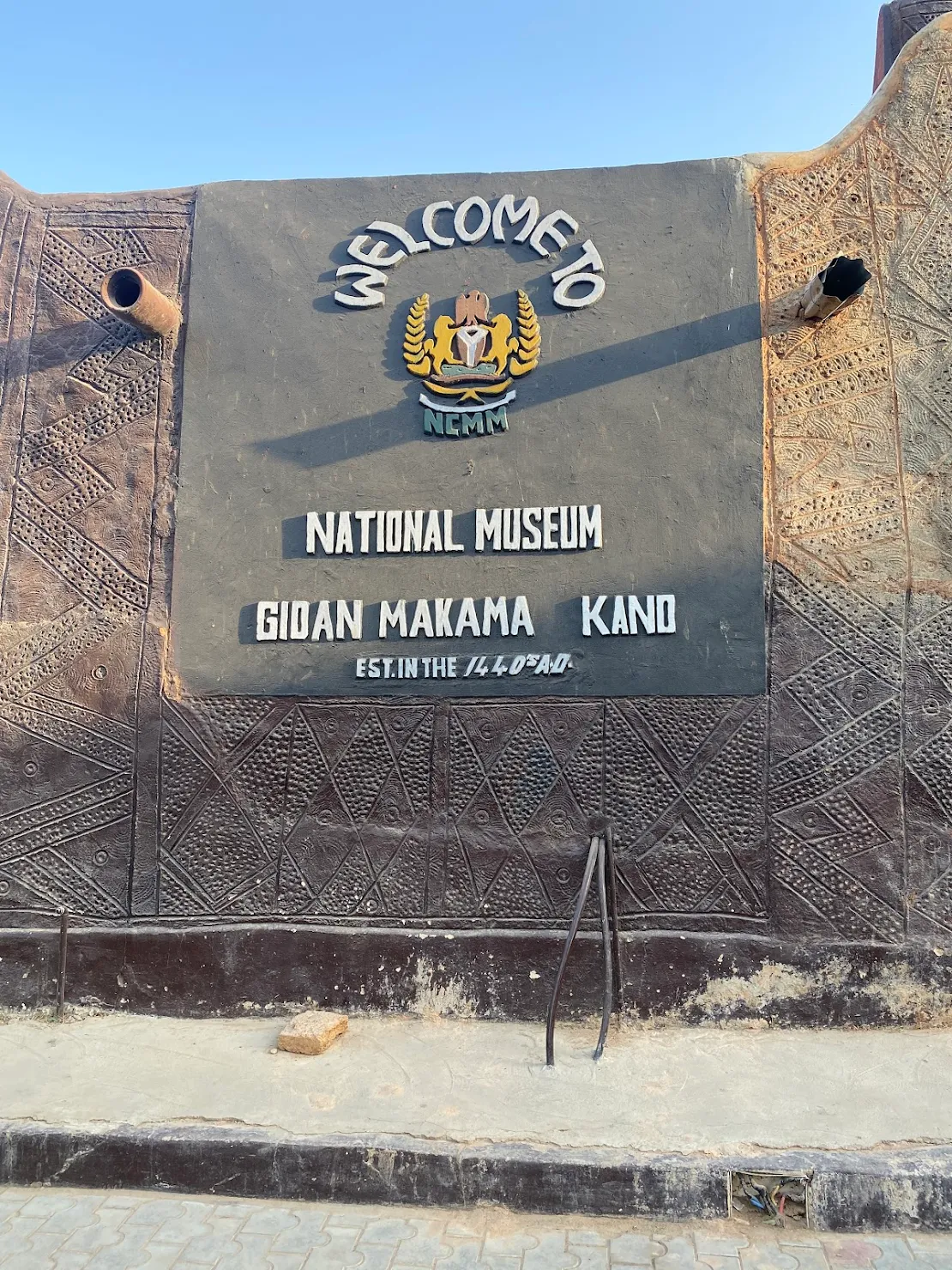
Gidan Makama Museum occupies a 15th-century residence originally built by Emir Abdullahi Burja for his grandson, Prince Rumfa—then the Makama Kano, or heir apparent—hence the name Gidan Makama (House of the Makama). When Rumfa moved into a grander palace (now known as Gidan Rumfa), the building continued to serve successive holders of the Makama title.

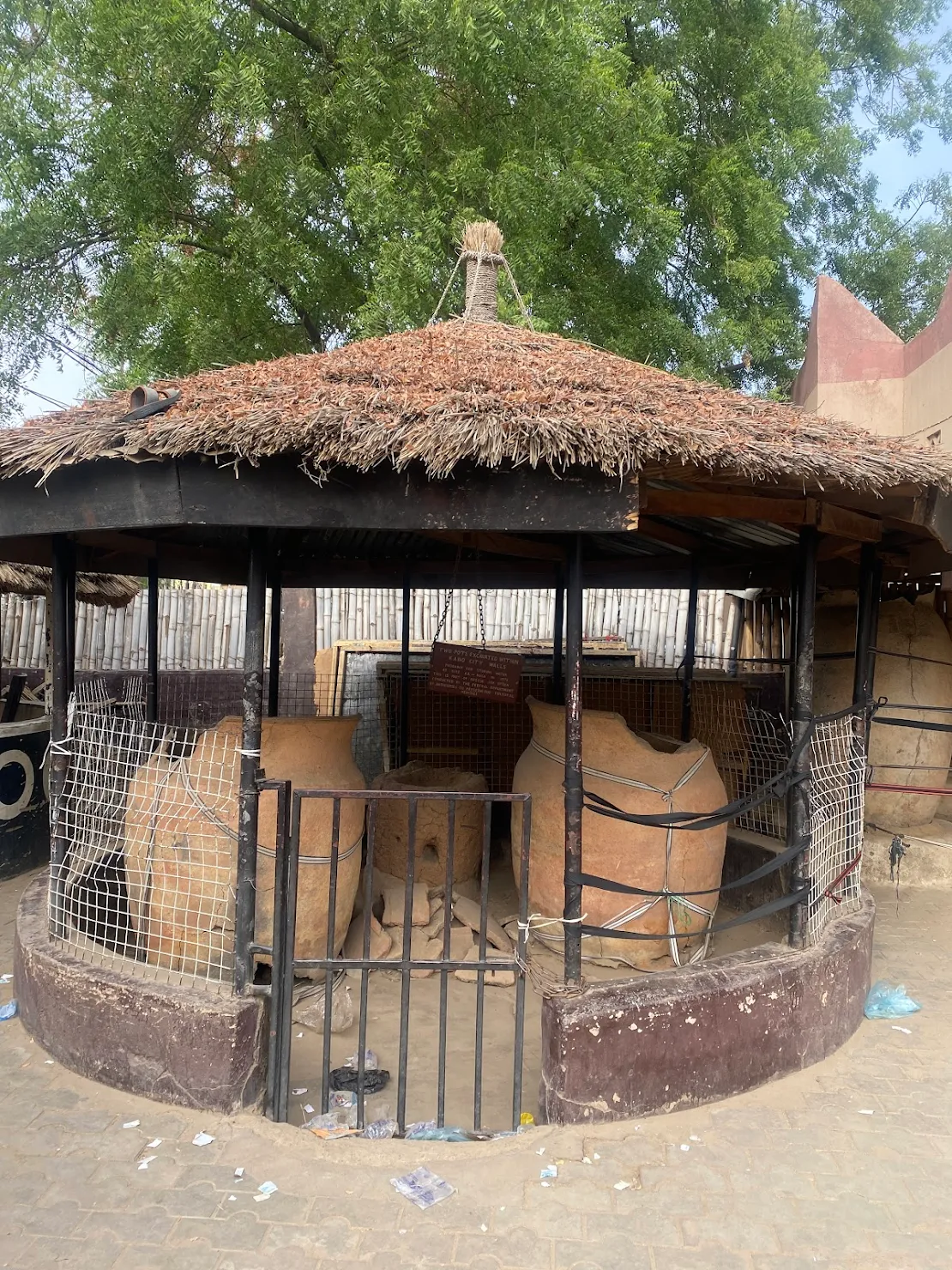

Following the British conquest of Kano in 1903, the structure was seized to serve as an office for colonial administrators. By 1959 it had been declared a national monument, transforming into a museum in 1968—now under the care of the National Commission for Museums and Monuments.
The compound splits into three distinct zones:
- The west wing is the museum proper;
- The central section remains the residence of the Makama;
- The east area houses educational institutions.
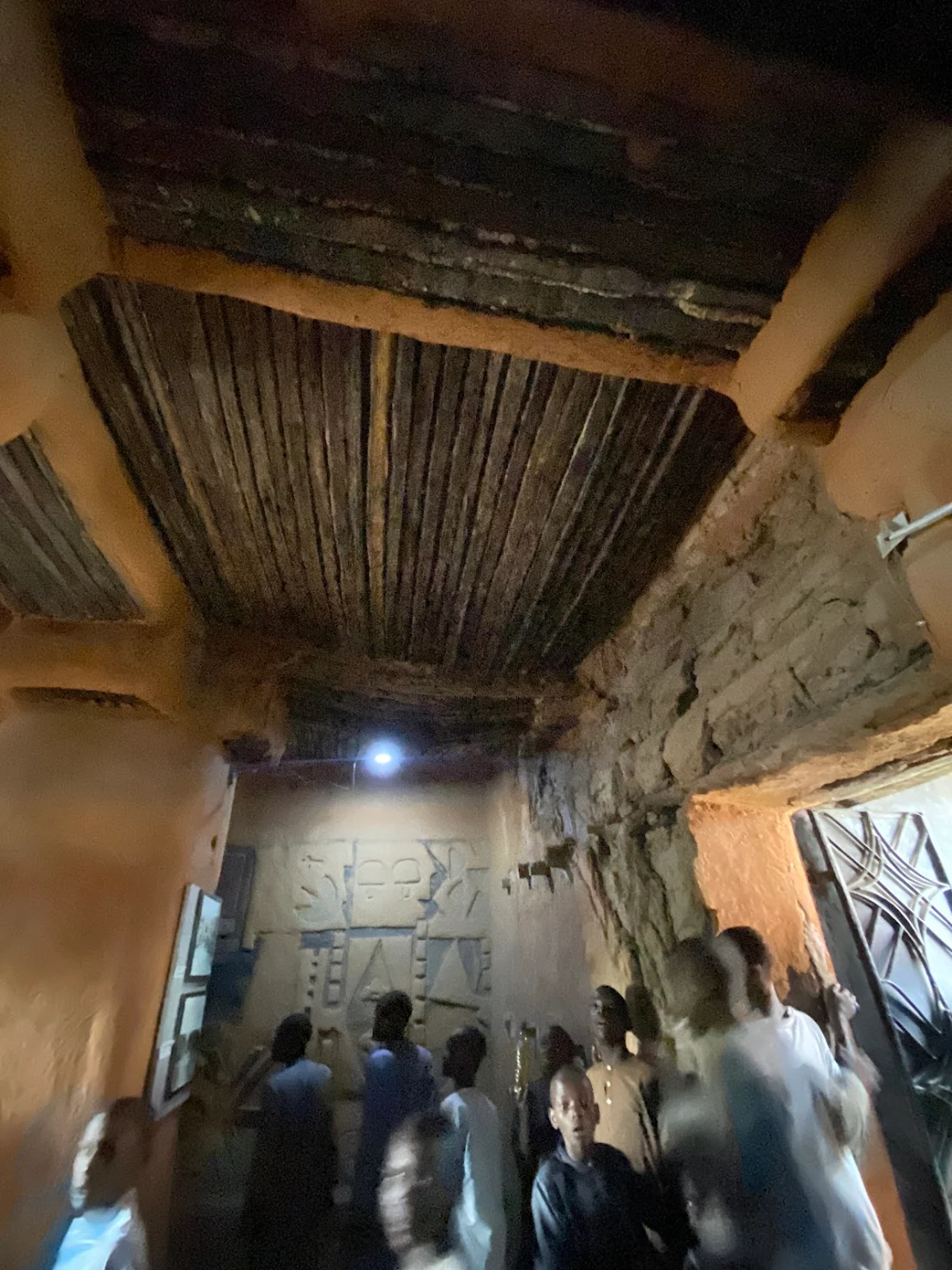
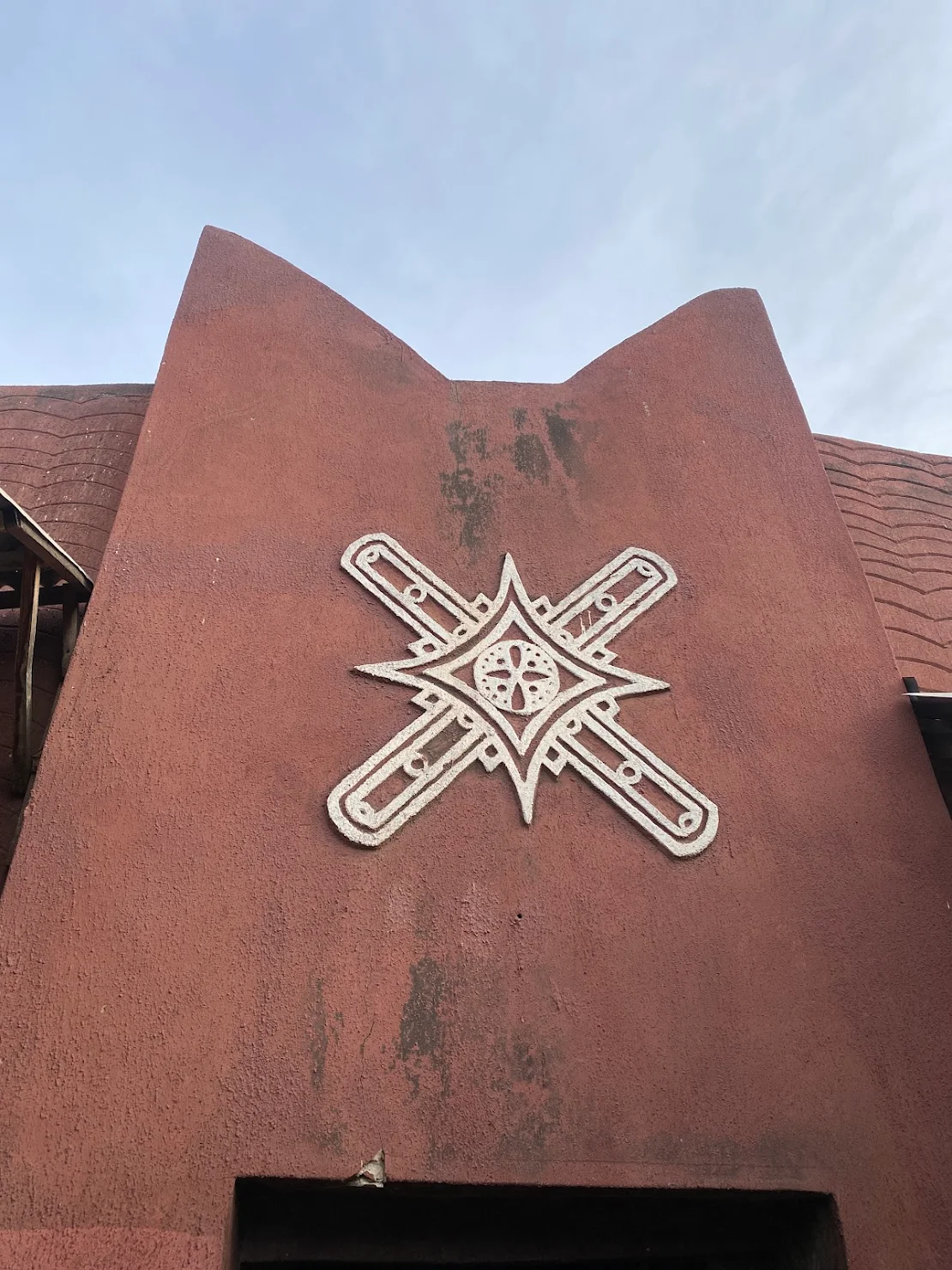
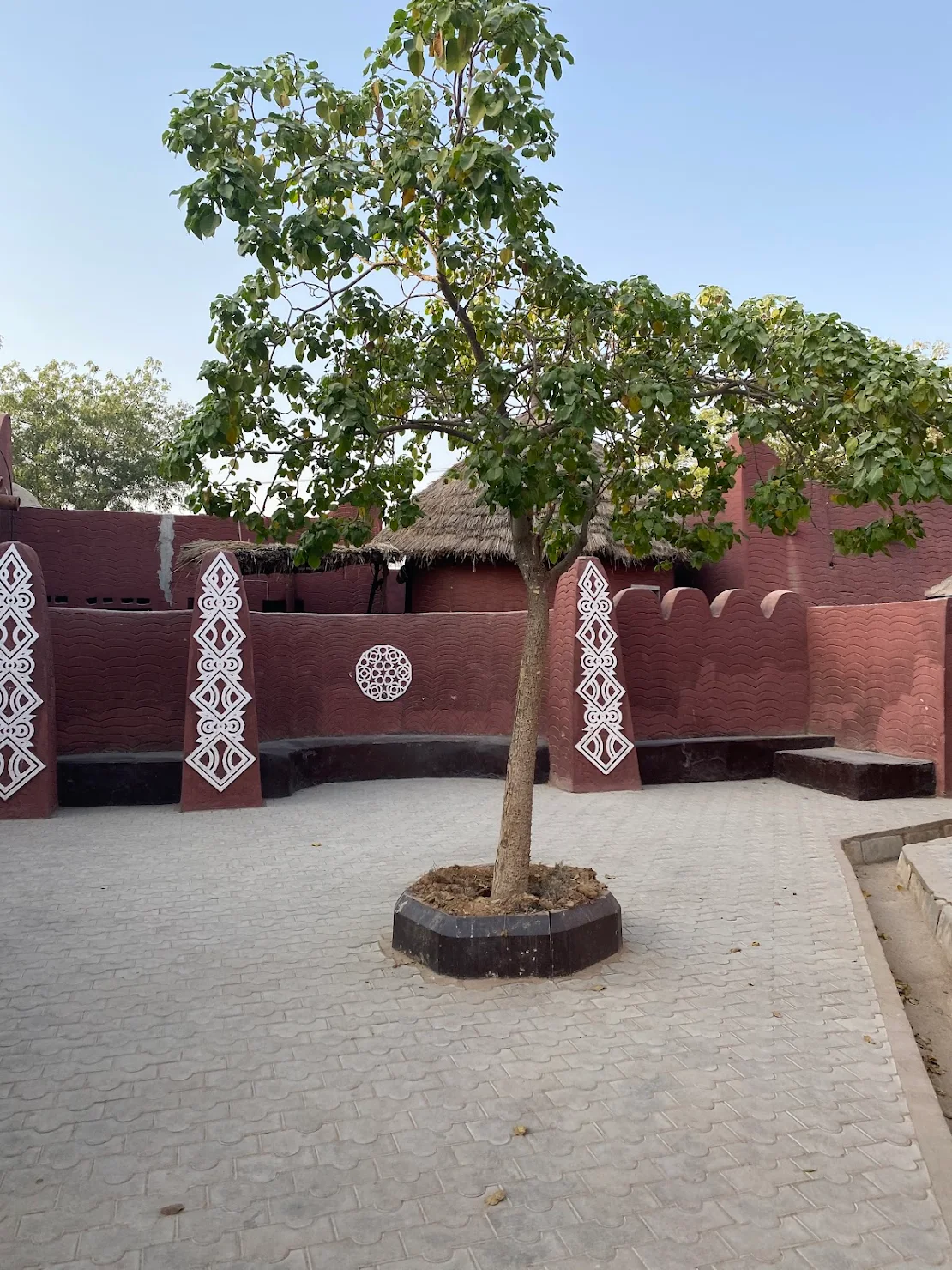
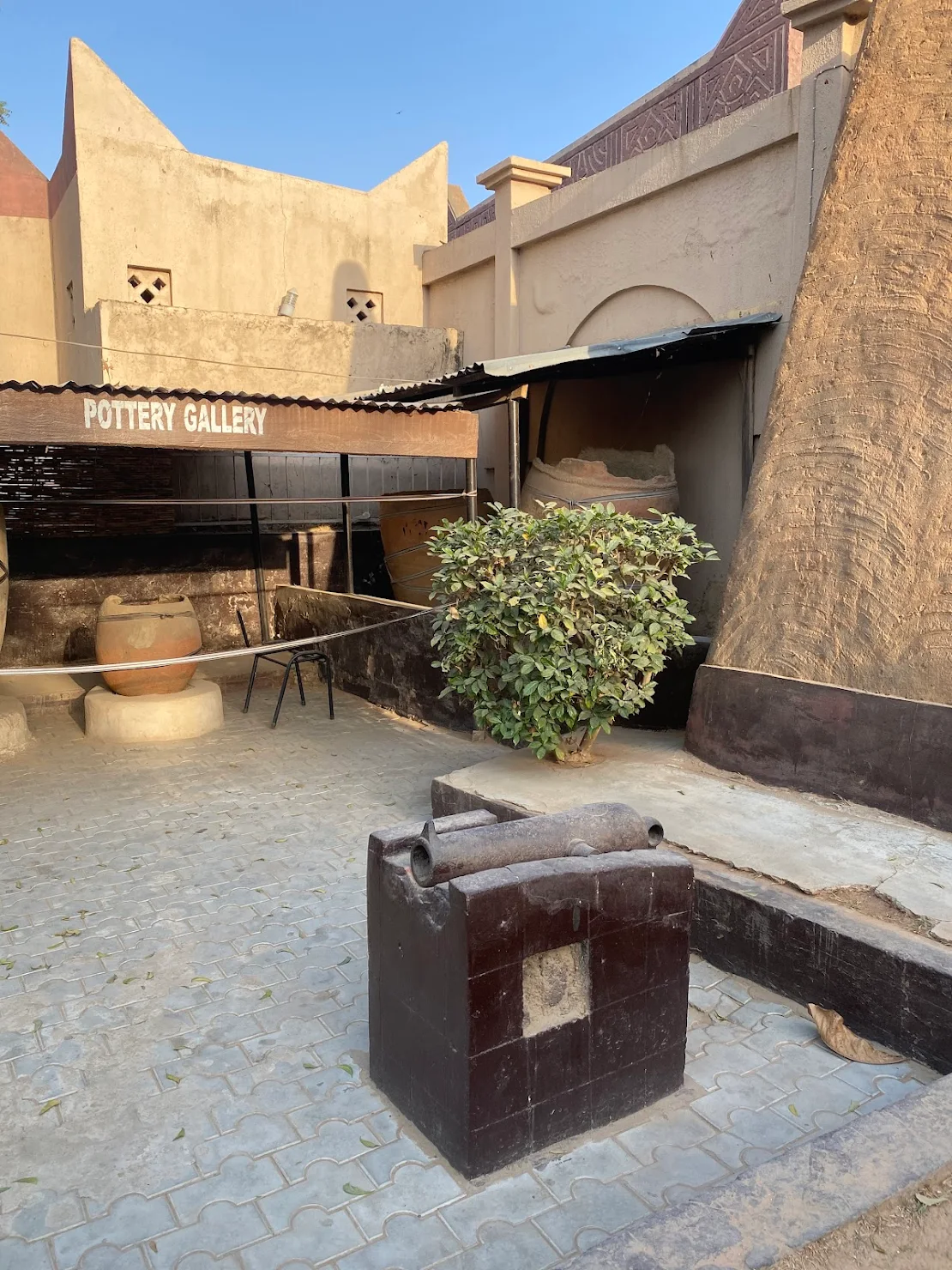
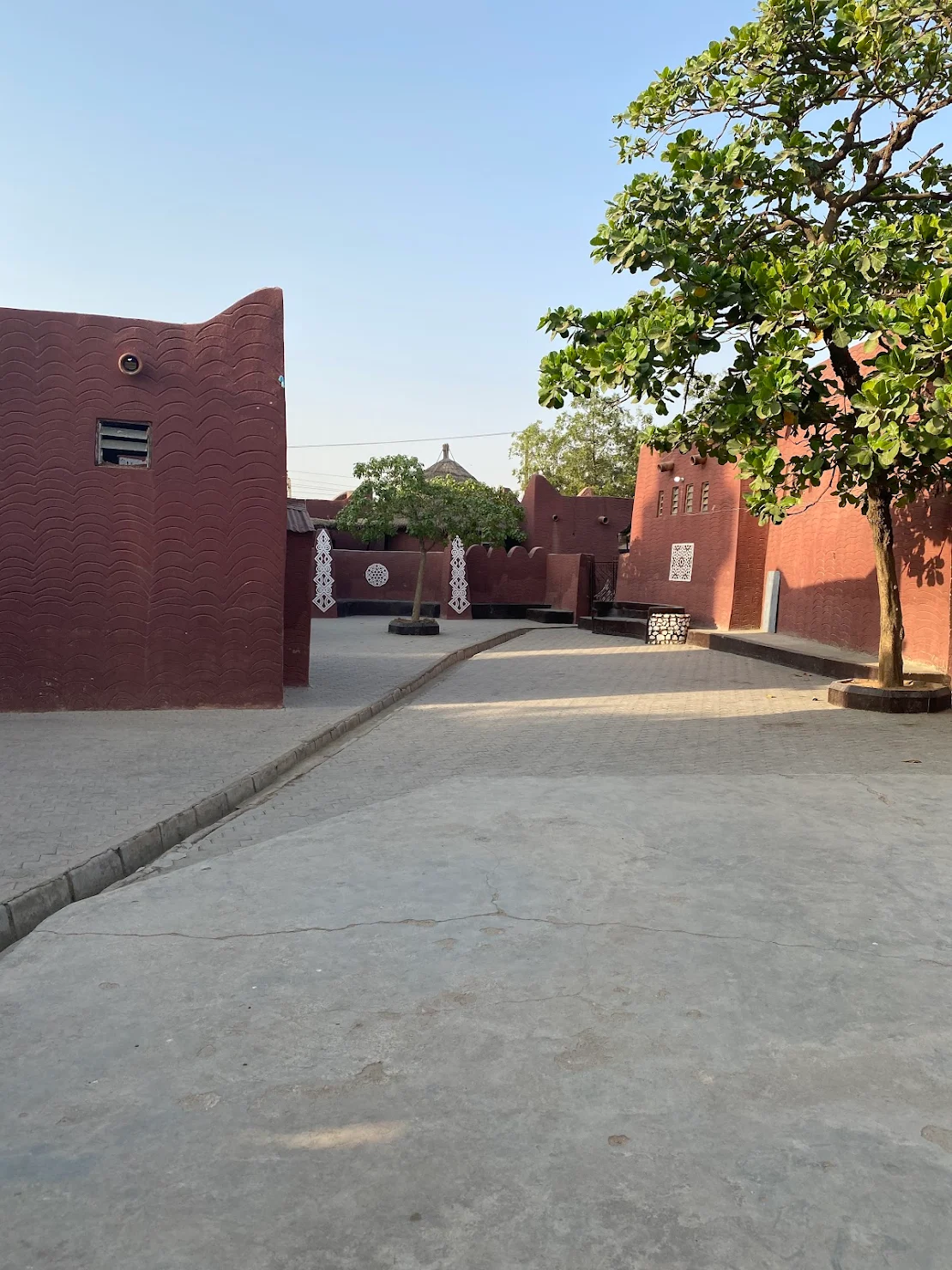
Architecturally, Gidan Makama is exemplary of Hausa tradition: mud-brick walls, buttresses, parapets, and decorative pinnacles (zankwaye) define its silhouette. Interiors feature small openings that promote natural climate control, keeping interiors cool by day and warm at night.
Exhibits That Speak: Who Will Find It Fascinating?
This museum isn’t just bricks and mortar—it’s a time machine, divided into eleven themed galleries, each narrating a chapter of Kano’s heritage:
- Hausa architectural materials—from makuba soil additive to palm thatching and historic building pics.
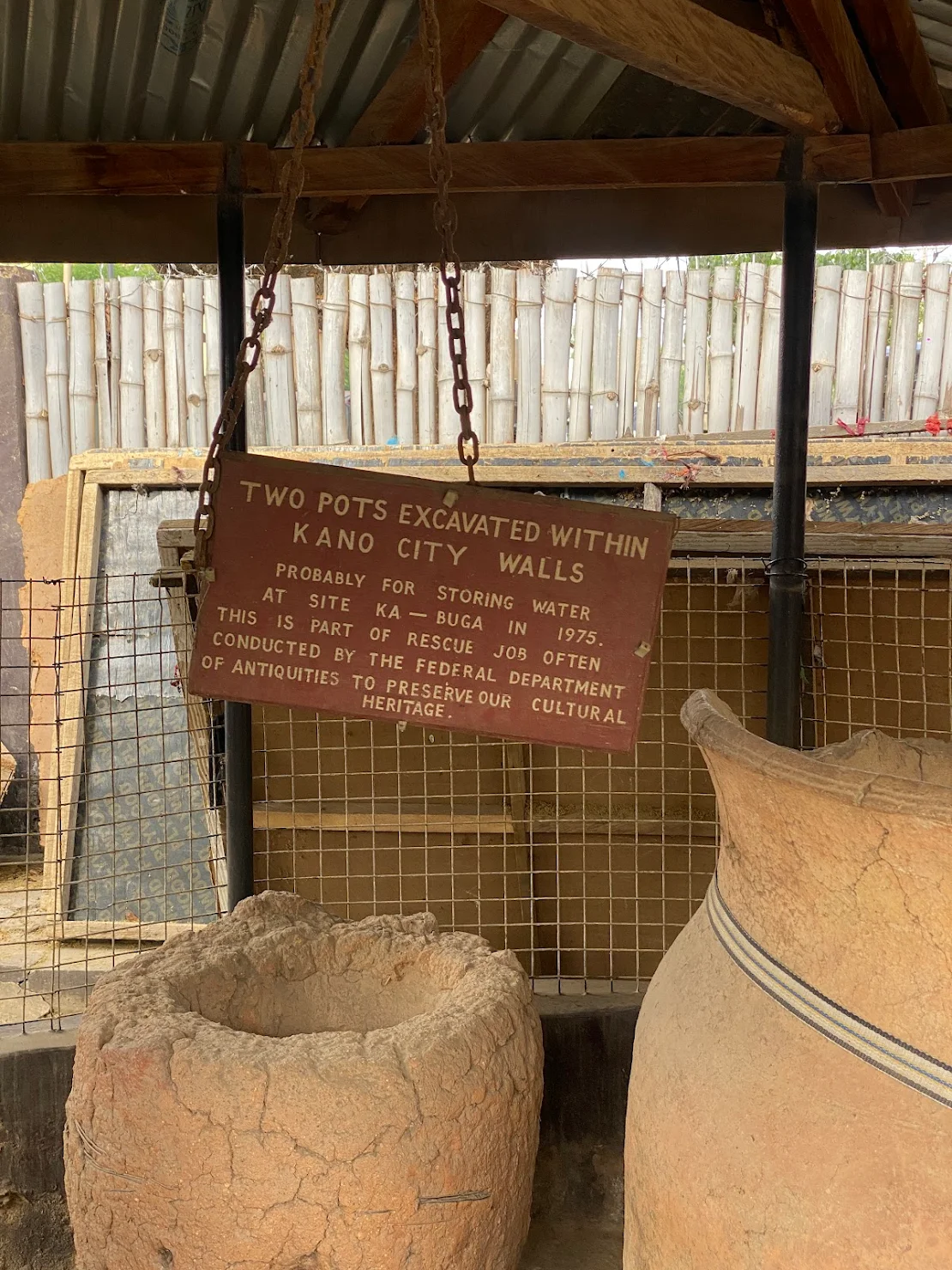
- City walls & early maps, including artifacts from gates like Kofar Kabuga and Kofar Waika.
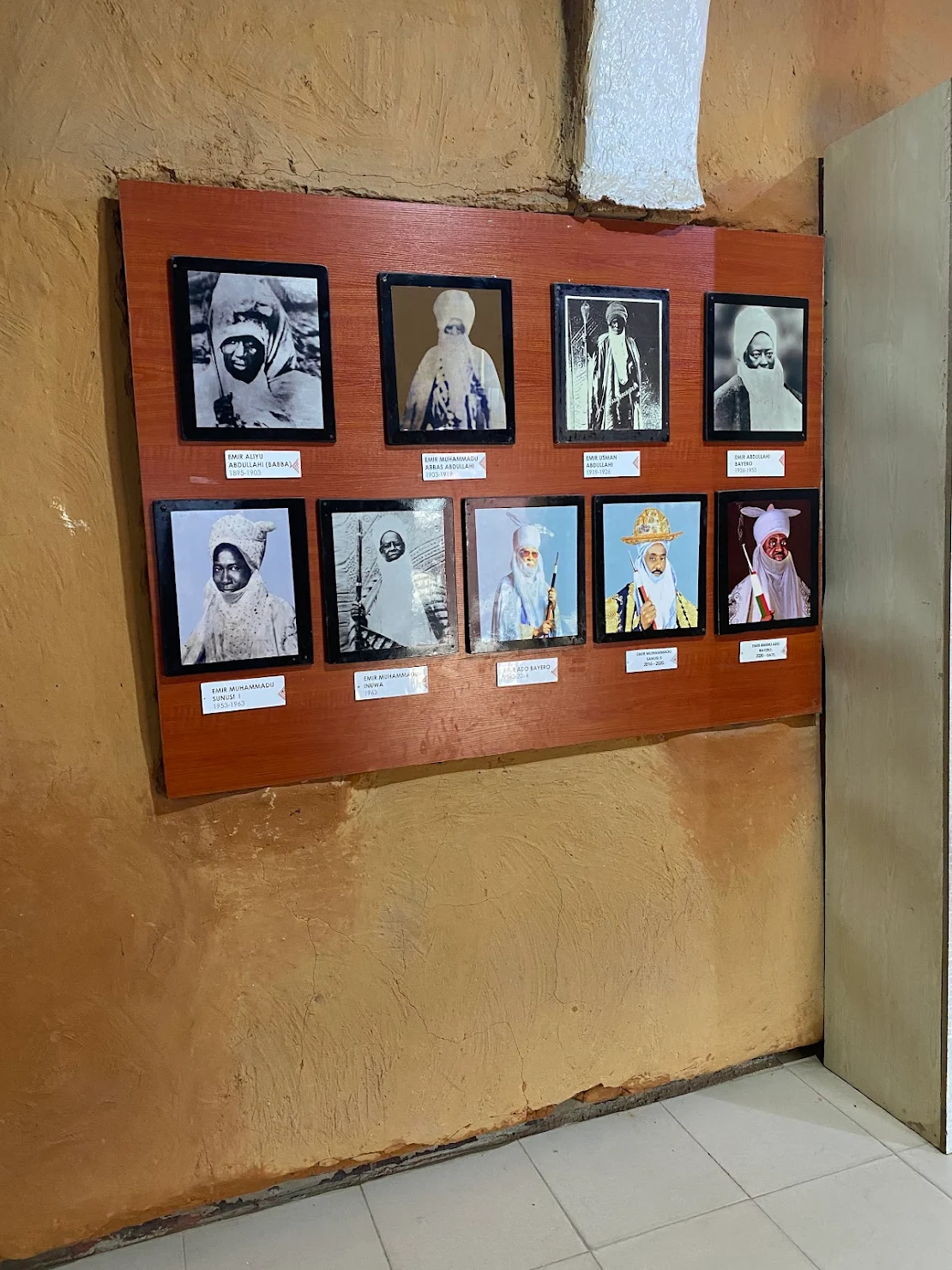
- Origins of statehood, oral traditions of Barbushe and Bagauda’s invasion.
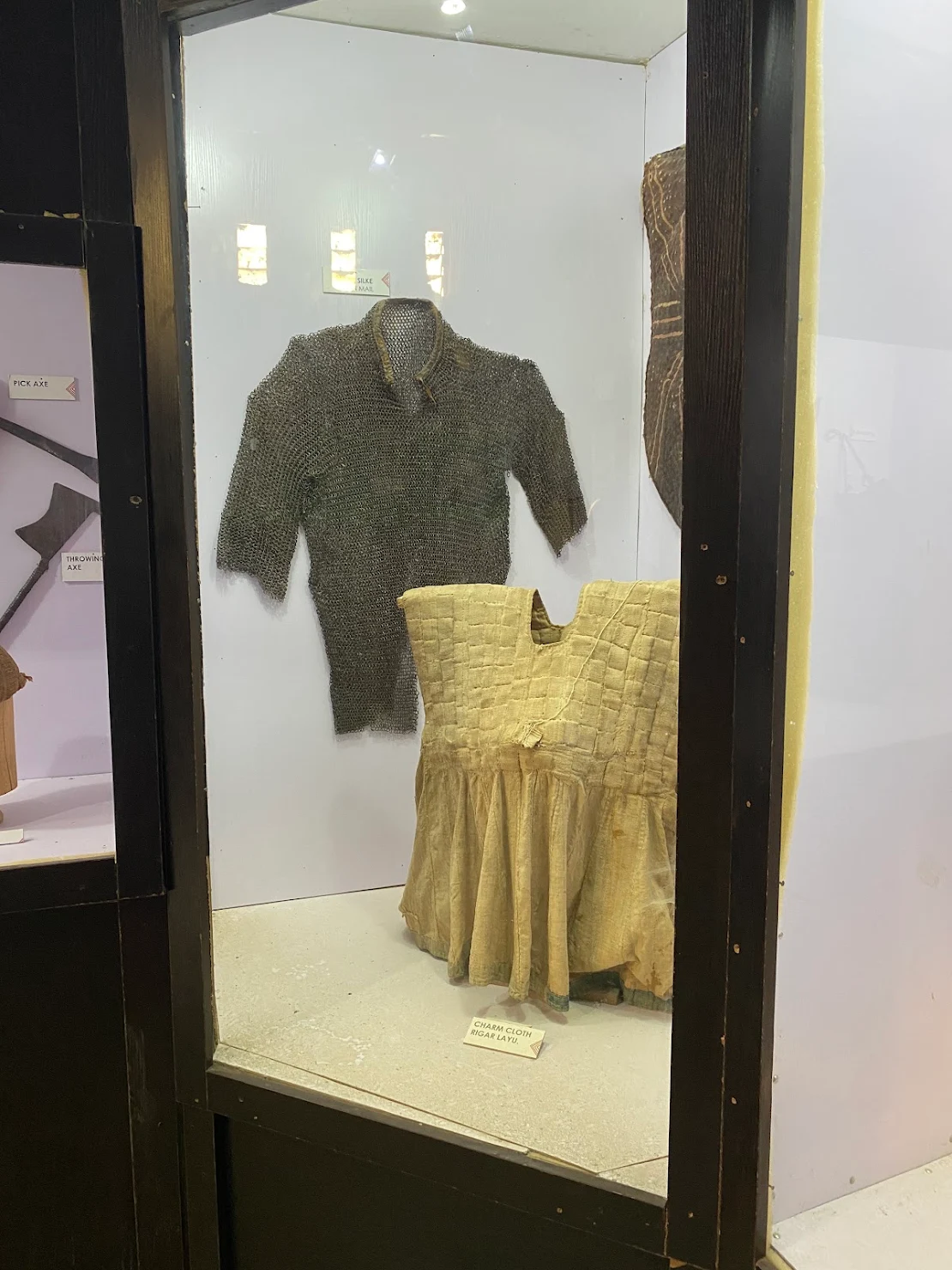
- 19th-century transformations, with depictions of the Fulani jihad and accounts by European explorers.
- Civil unrest and colonial conquest, focusing on Kano’s civil war (“Basasa”) and the 1903 invasion.
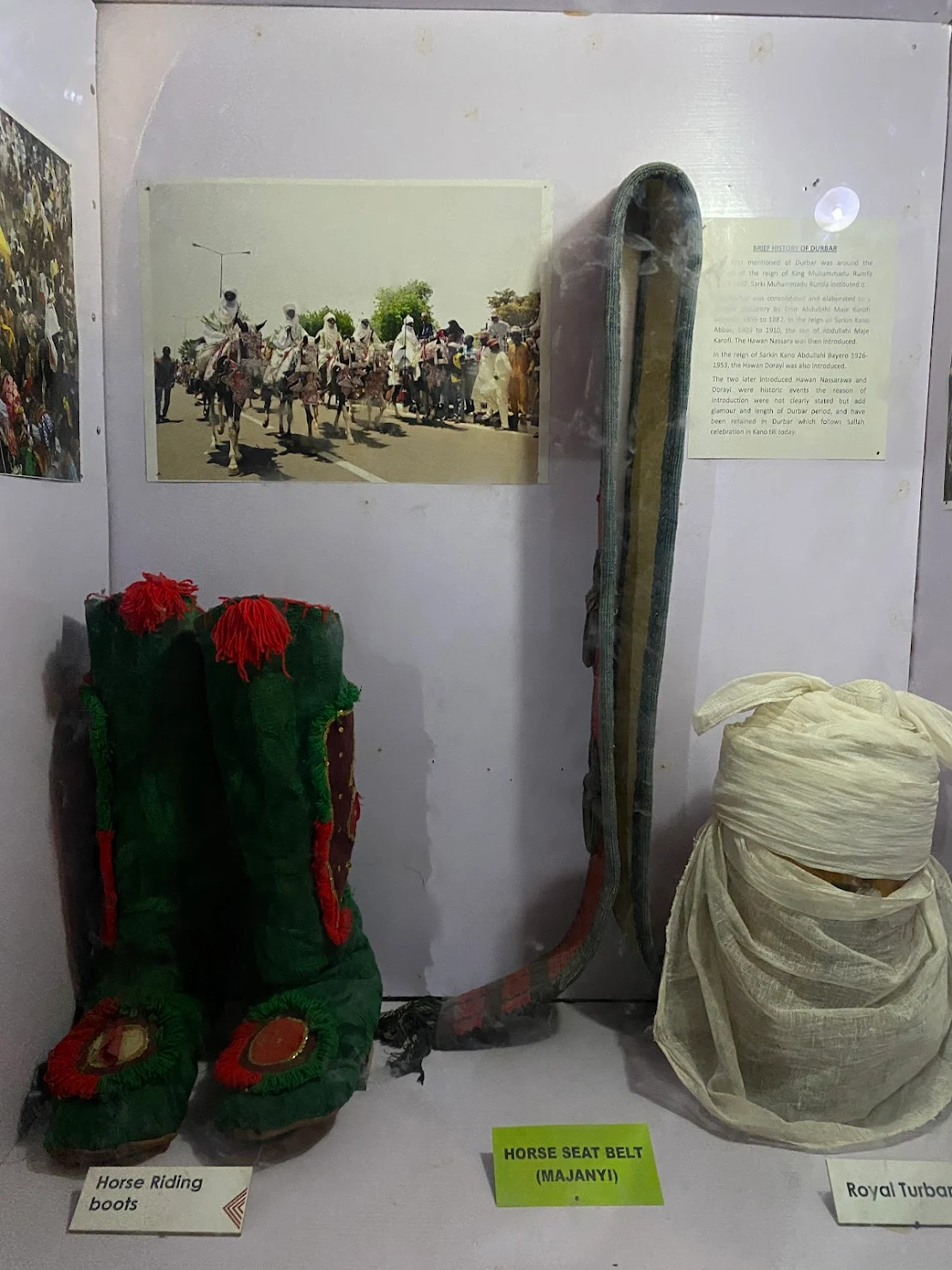
- Economy and Durbar, emphasizing traditional festivals and economic life.
- Colonial-era economy, including industry and commerce during colonization.
- Islamic heritage, showing religious traditions of the Kanawa people.
- Craftsmanship and industry, from textiles and leatherwork to tools and crafts.
- Musical instruments, showcasing the sonic side of Hausa culture.
- The traditional bride’s room, a peek into Hausa domestic life with items like tasa, taskira, tukurwa beds, calabashes, etc.

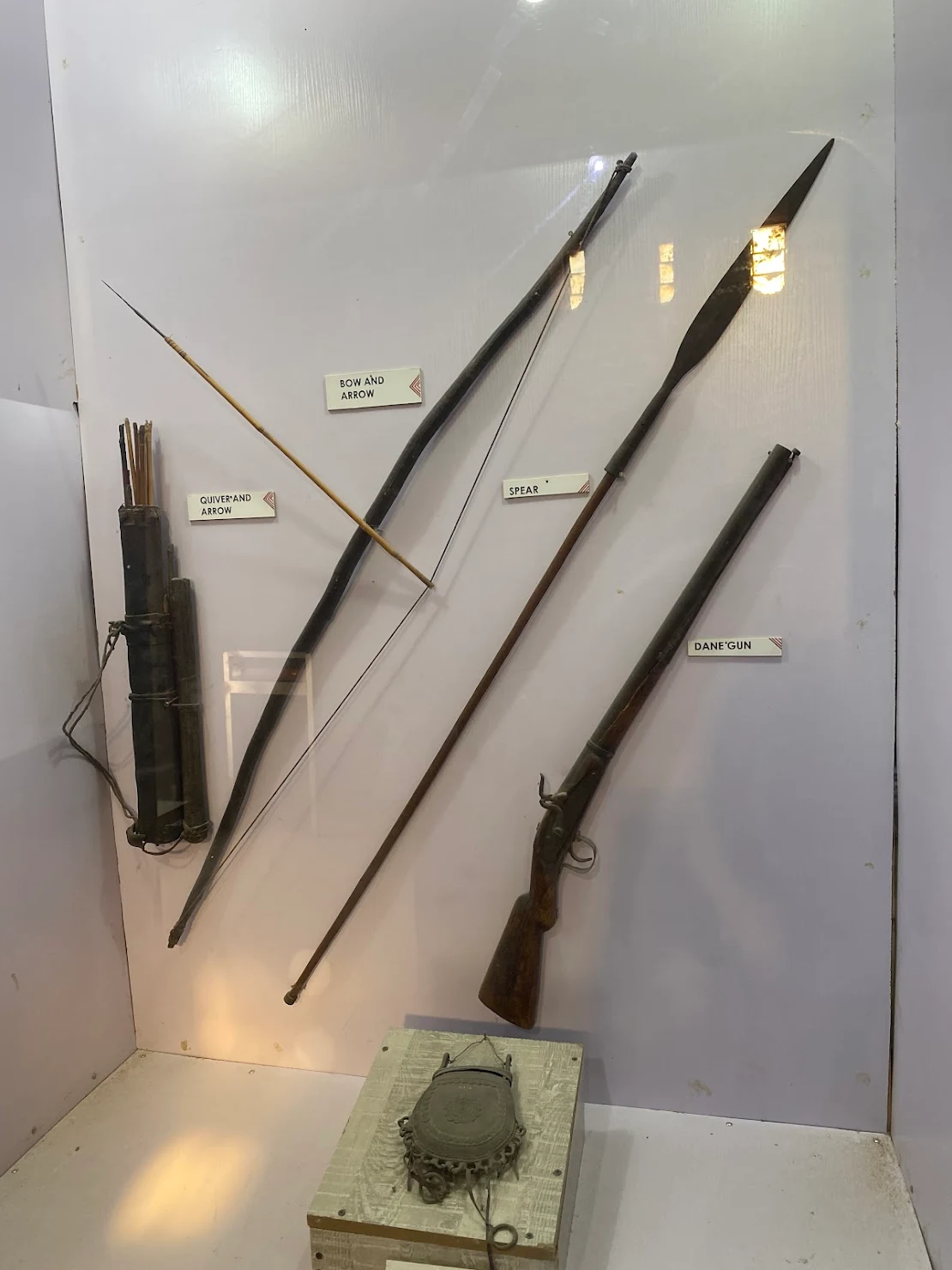

Adults and history buffs will admire the depth—architecture, politics, colonial shifts, social fabric. Students and families—thanks to guided educational tours, quiz clubs, art workshops, and cultural programs aimed at youth.
Why it matters: This museum is a rare continuum—from a royal residence to colonial office to national museum—preserving an unbroken narrative of Kano’s evolving identity, artistry, resilience, and story.
Reviews of Gidan Makama Museum
Gidan Makama Museum leaves a strong impression as both a historical monument and a cultural archive. Visitors consistently highlight the authenticity of the 15th-century architecture, largely preserved without heavy modification, which gives the sense of stepping directly into Kano’s past.
The eleven galleries present a broad sweep of history, from ancient traditions and city walls to colonial encounters and musical heritage, supported by artifacts that make the stories tangible. Knowledgeable guides are praised for bringing the exhibits to life, though some note that lighting inside the museum can be poor, with flashlights sometimes needed to view displays.
Entrance fees are minimal, but extra payments for guides require caution, as visitors warn against unofficial tour offers. Despite these small drawbacks, the museum is described as one of Kano’s most rewarding stops, offering both depth of learning and a vivid encounter with Hausa history and culture.
Video and 3D panorama
Directions to the Museum
Gidan Makama is not just a museum—it’s a living chronicle of Hausa civilization. Whether you’re drawn by architecture, culture, or the pulse of history, it delivers a vivid, intelligently curated experience.