Where is the museum located
Contact information
- Address: 15 Nepa Road, Isabo, Abeokuta 111102, Ogun State.
- GPS coordinates: 7.150662, 3.346638.
- Phone: +2348083690082.
- Official website:
- Opening hours:
- Sunday: 1–5 PM,
- Monday-Friday: 9 AM–5 PM,
- Saturday: 10 AM–5 PM.
- Ticket prices: ₦2000.
Origins and Purpose
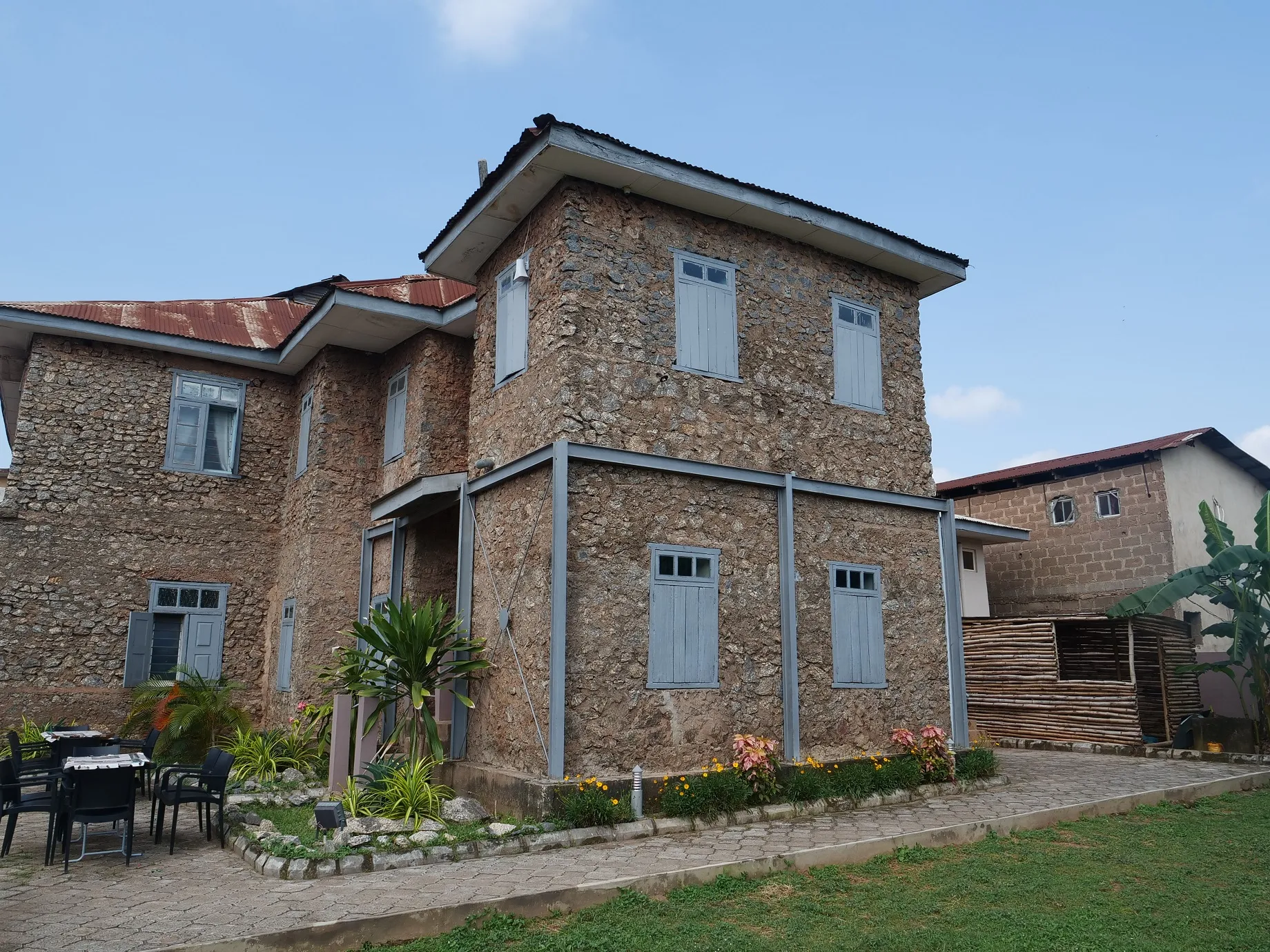
Built in the mid-20th century as the family home of Reverend Israel Oludotun Ransome-Kuti—a respected Anglican clergyman and educationist—and his wife, Chief Funmilayo Ransome-Kuti, the pioneering feminist and anti-colonial leader, this ancestral house in Isabo, Abeokuta fell into disrepair after decades of neglect.
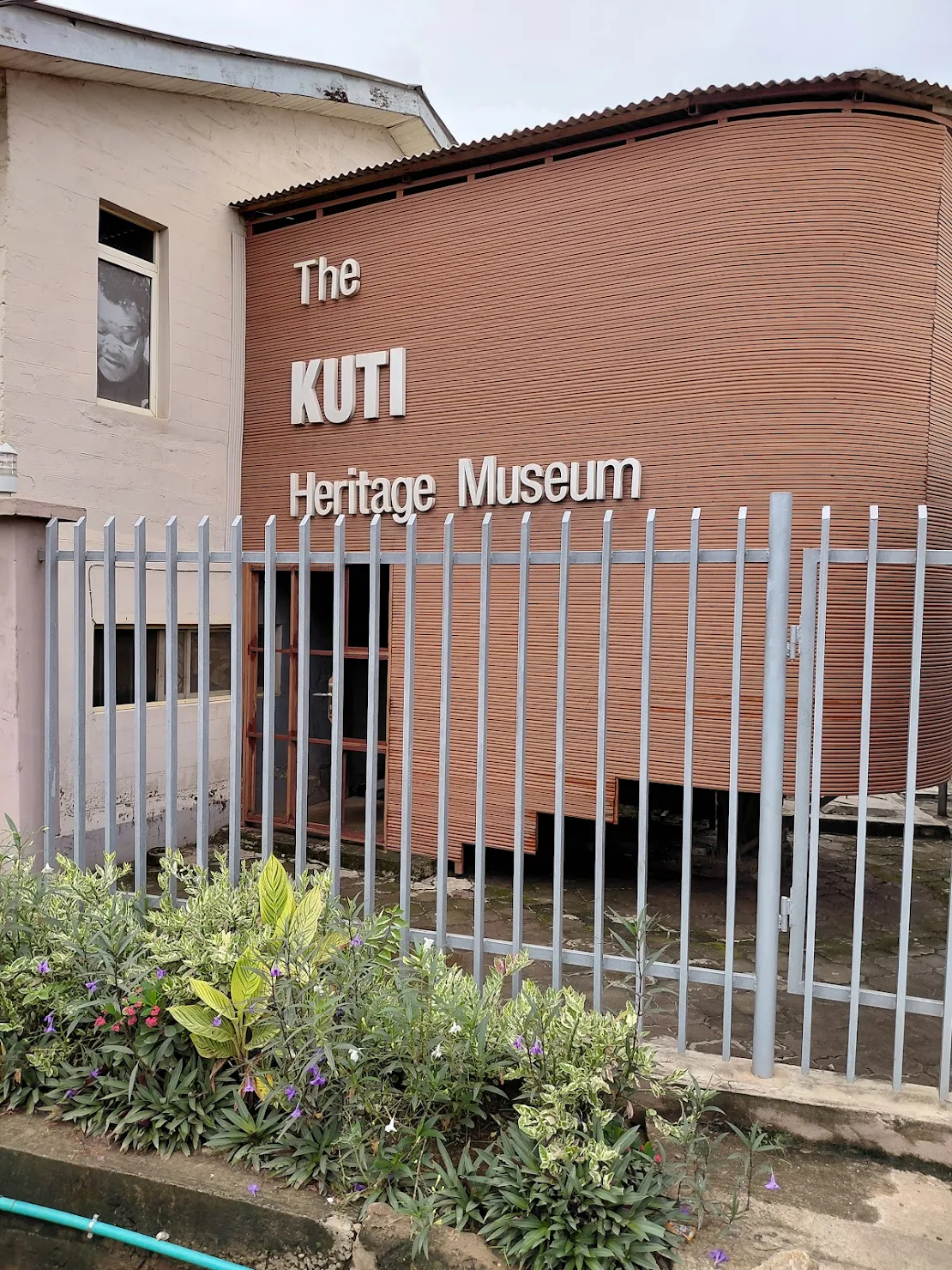
In 2017, the Ogun State Government, in partnership with the Federal Government and under architect Theo Lawson’s direction (who also restored Fela’s Lagos home to become the Kalakuta Museum), launched a bold renovation project.
It was formally unveiled as the Kuti Heritage Museum during the African Drum Festival in April 2019, in the presence of dignitaries including Nobel Laureate Wole Soyinka and descendants of the family. The museum stands today as a living monument to the Ransome-Kuti family’s remarkable contributions to education, women’s rights, medicine, music and human rights in Nigeria.
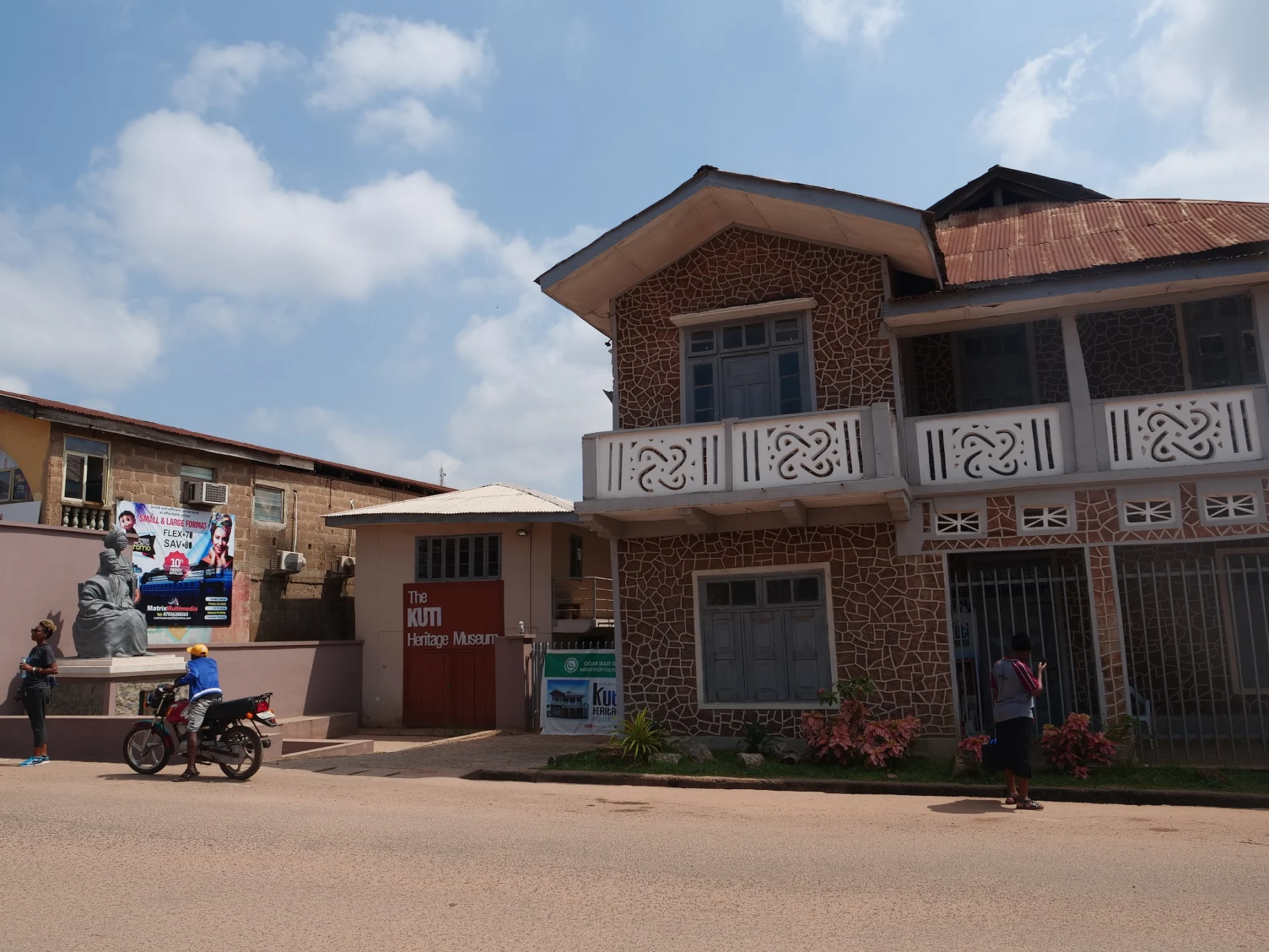
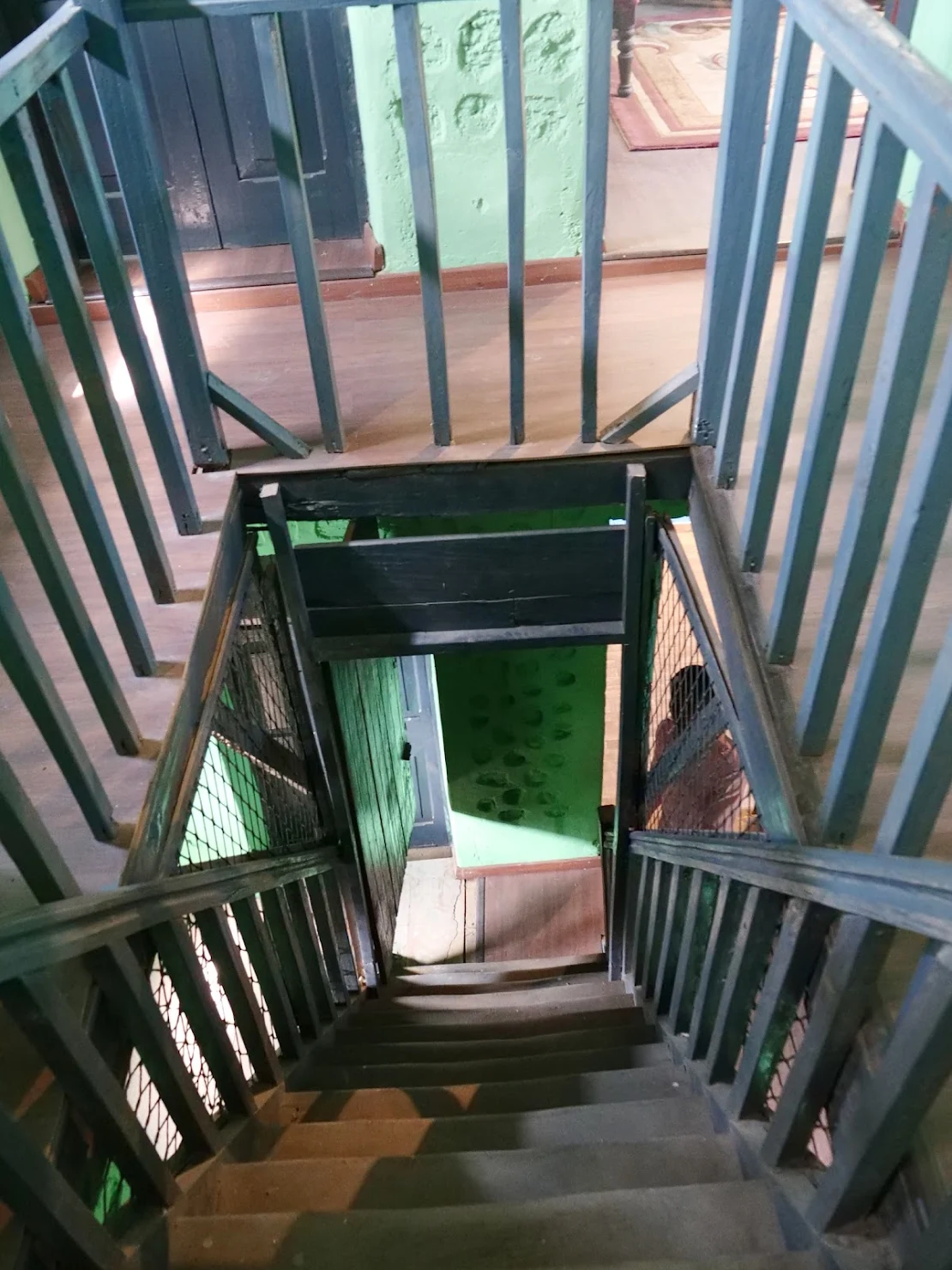
Inside the renovated stone-walled cottage, preserved features—wooden staircases, original floorboards, old light switches, period furniture, glassware and family portraits—anchor the space in lived memory.
Exhibits include archival newspaper clippings recounting Funmilayo’s leadership in the Abeokuta Women’s Union and anti-tax revolts, the simple car she drove (she was reportedly the first Nigerian woman chauffeur), Reverend Oludotun’s study with books and teaching memorabilia, and personal spaces once inhabited by their children: Dolupo, Professor Olikoye, Dr Beko and Fela, the Afrobeat pioneer.
Who It Speaks To—and Why
This museum resonates with diverse audiences. It appeals to students of social history, African feminism and Nigeria’s anti-colonial struggles through the life work of Funmilayo—who led the Abeokuta Women’s Revolt in the 1940s and helped defeat unfair taxation while advocating for representation of women in governance.


Scholars of music and cultural evolution will find Fela’s origins tangible here: the environment and values that shaped a global icon rest within these walls. Advocates of education and healthcare may trace influence in the lives of Olikoye and Beko, both of whom became doctors and public health advocates. For literary pilgrims, the museum holds intimate significance: Wole Soyinka’s uncle was the Reverend Oludotun, and his recollections of discipline and education underlie much of his worldview.
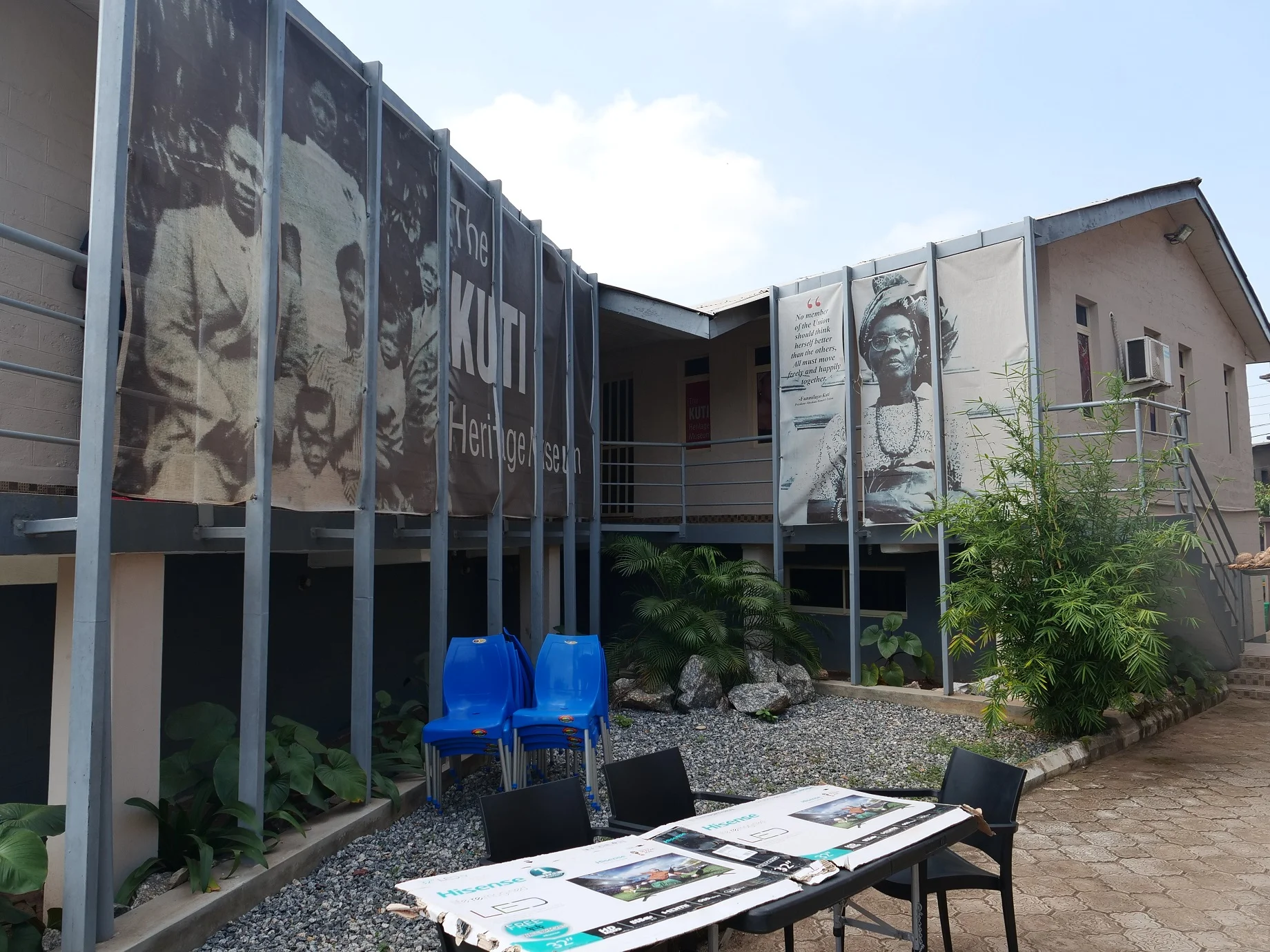
Visitors don’t just view objects—they walk through a narrative unfolding Nigeria’s 20th-century moral battleground: patriarchy vs empowerment, colonialism vs resistance, culture vs modernity. The museum also cultivates communal memory: under an open sky courtyard and modest-bar-and-garden area visitors pause, reflect or enjoy soft Afro-beat sessions in atmospheric surroundings.
This is not a sterile institution. Museum guides—often youthful local enthusiasts—offer informed, anecdotal tours, bridging flesh-and-blood biography with national history.

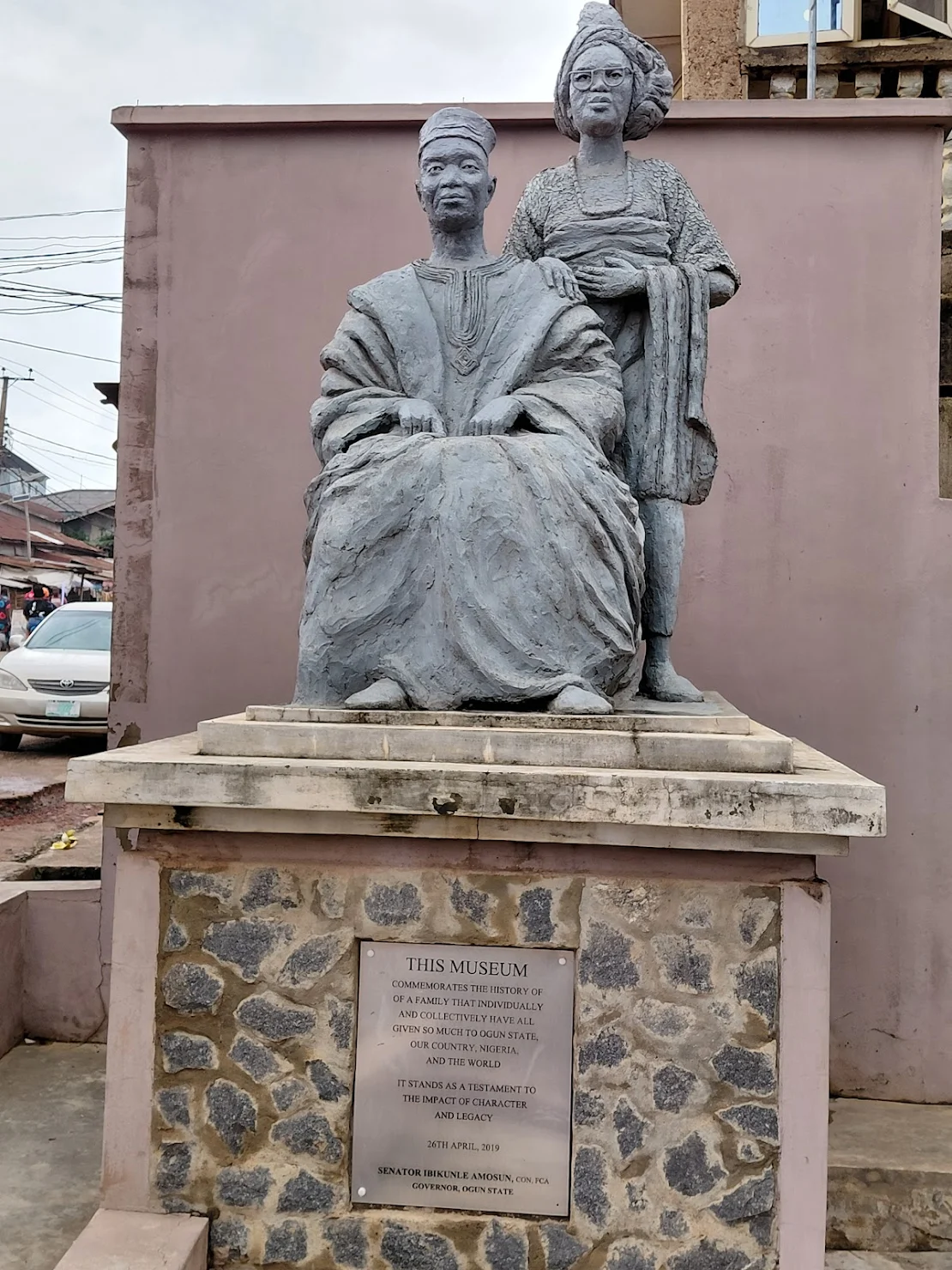
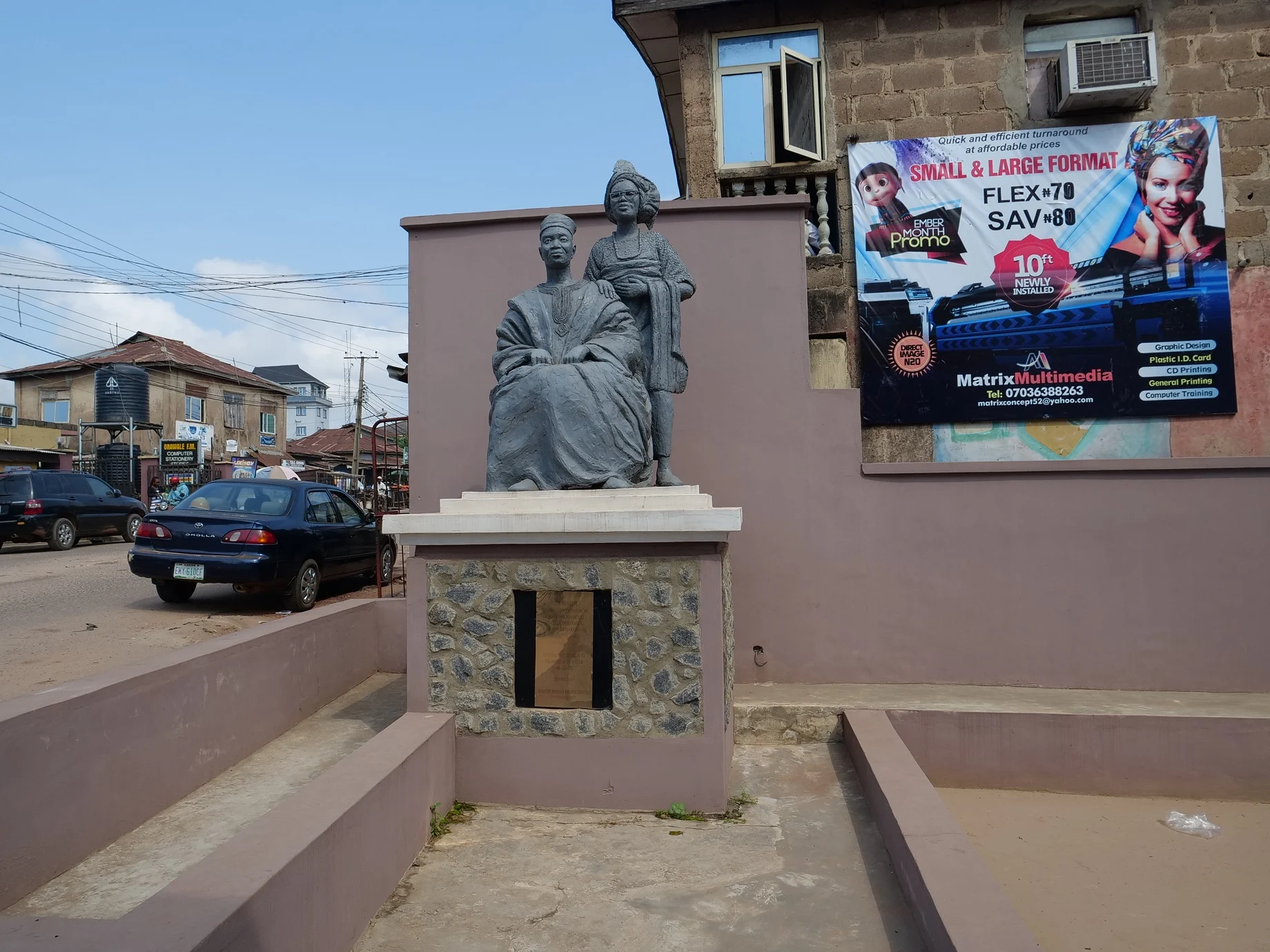
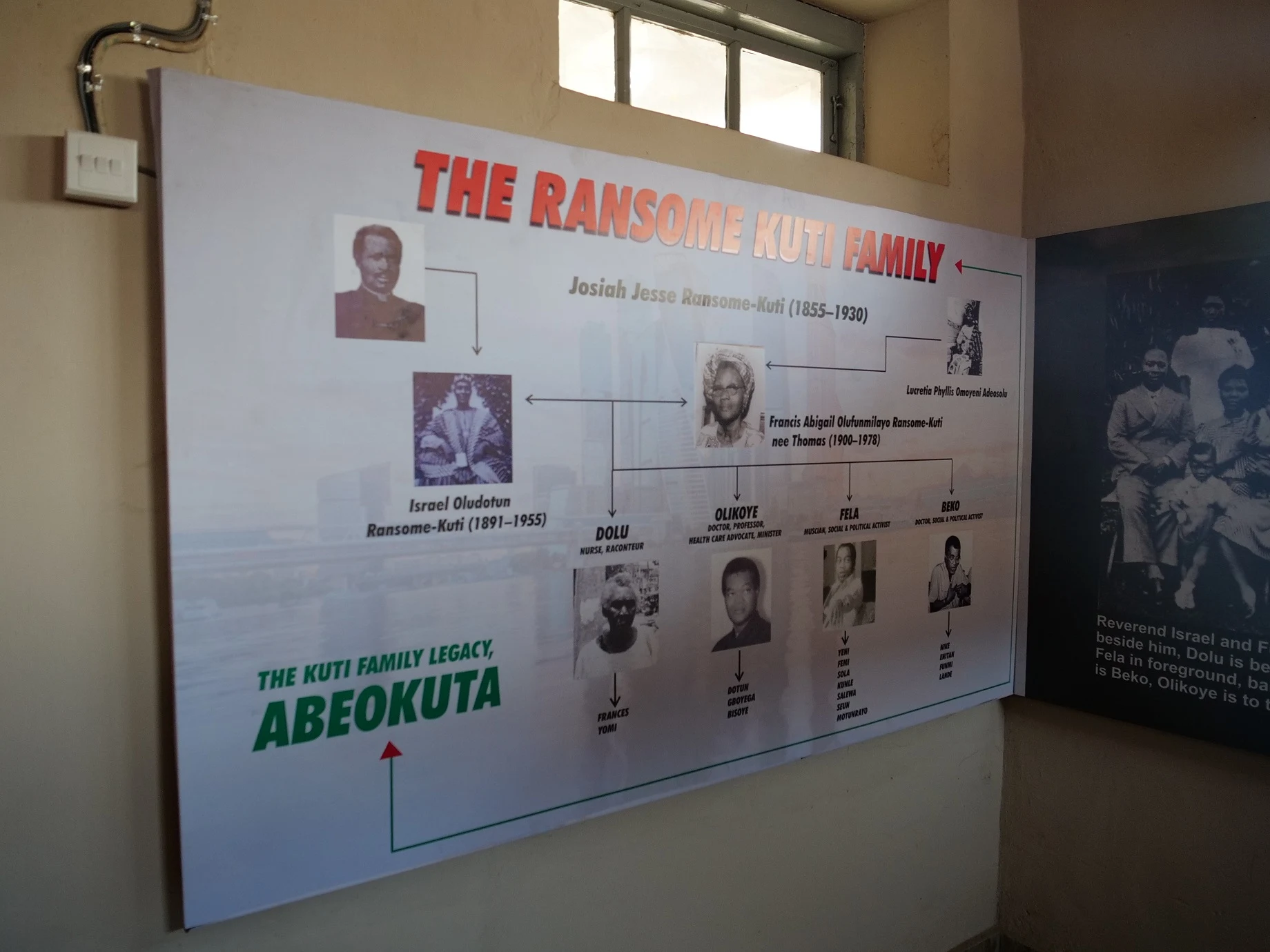
Photographic reproductions of the family tree, Fela’s childhood scenes, Funmilayo organizing market women, and Olikoye’s hospital work, hang beside artifacts like a school desk, a gramophone or the mother’s handbag. In front, the life-size statue of Reverend Oludotun seated with Funmilayo standing behind him conjures the generational strength that shaped their children’s destiny.
Reviews about of The Kuti Heritage Museum
As guests note in their reviews, The Kuti Heritage Museum in Abeokuta is a well-preserved family home that honors the legacy of Israel and Funmilayo Ransome-Kuti. Visitors praise its antique household items, original floorboards and stairways, and the serene garden for relaxation.
The storytelling and tour experience are engaging, though the guides could be better informed. Overall, it’s a meaningful cultural site with great potential but still needs improvements to reach full tourist appeal.
Video and 3D panorama
How to get to the place (directions)
The museum is compact yet potent. It is ideal for educational field trips for secondary-school and university students, feminist history-enthusiasts, music lovers tracing the roots of Afro-beat, and Nigerians or visitors eager to encounter the life stories behind national legends.
Its authenticity—each room preserved rather than artificially recreated—makes it emotionally resonant. The Kuti Heritage Museum is a study in how place, policy and personal narrative intersect to create a cultural landmark that educates, honors legacy, and inspires future generations.


