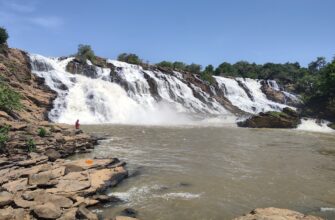
Olumirin Falls, popularly known as Erin-Ijesha Waterfalls, is one of Nigeria’s most captivating natural wonders, celebrated not only for its breathtaking cascades but also for the deep spiritual and cultural legends that surround it.
Where is Olumirin on the map
Contact information
- Address: HW82+3VG, Erin-Ijesa 233118, Osun.
- GPS coordinates: 7.565190, 4.902190.
- Working hours: 07:00-18:00.
Main characteristics of the waterfall
The waterfall is renowned for its seven cascading levels, each with a unique appearance and atmosphere. Unlike a single-drop fall, Olumirin unfolds step by step across rocky cliffs, with water plunging from one stage into natural pools before flowing further down.
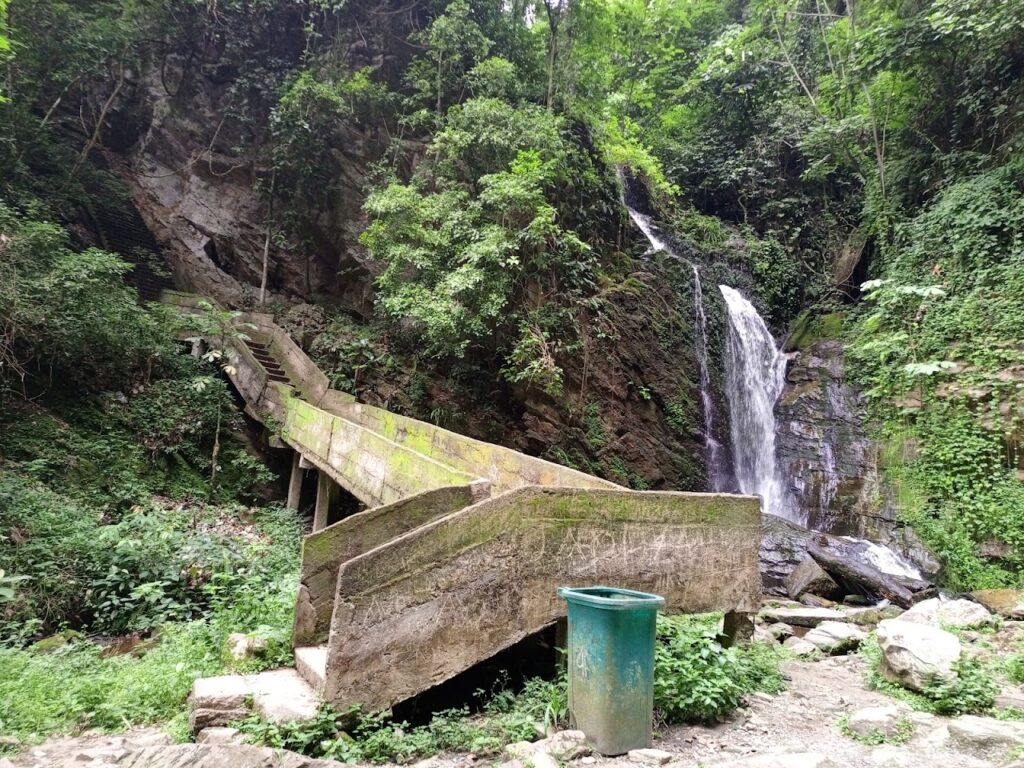
The combined height of all levels is estimated at over 55 meters (around 180 feet), though no official measurement has been standardized. Each cascade is framed by dense tropical vegetation, creating a lush backdrop that enhances its dramatic flow.
The first level is the most accessible, featuring a broad, gentle curtain of water that fans out across smooth rocks into a shallow pool. It is the most popular relaxation spot for families and casual visitors. The second and third cascades are more forceful, with water streaming over rugged cliffs into deeper basins. These levels create a natural shower effect, and many visitors enjoy bathing in their cool spray.
Ascending further, the fourth level presents a striking vertical fall that offers wide views of the Ijesha countryside. The fifth cascade is characterized by its rocky steps and vantage points, where climbers can appreciate both the downward sweep of the waterfall and the panorama of surrounding hills.
The upper sections — the sixth and seventh stages — are less frequented due to the demanding climb required to reach them. They carry strong cultural significance, often regarded as sacred spaces. At the summit, the water originates from underground springs hidden in the rocks, supplying the flow that feeds all lower stages.

Throughout its course, the waterfall forms several natural pools of varying depth and clarity, offering opportunities for wading or swimming. The sound of rushing water, combined with birdsong and the rustle of forest leaves, creates a tranquil yet invigorating atmosphere. Its layered structure, considerable height, and pristine surroundings make Olumirin Falls both a scenic wonder and a place of cultural heritage.
Legends of Erin-Ijesha
Nestled in Erin-Ijesha, Osun State, this seven-tier waterfall is believed to have been discovered around 1140 AD by one of the daughters of Oduduwa, the progenitor of the Yoruba people. According to tradition, she was led to the falls during a migration, guided by a divine presence that revealed the waters as a sacred place of rest and renewal.
The name Olumirin itself means “another god” in Yoruba, reflecting the reverence with which the falls were regarded. To the local people, the waters were not ordinary; they symbolized purity, healing, and a direct connection to the spiritual realm. Legends say that the cascading levels of the waterfall represent different stages of human existence and spiritual ascent. Pilgrims and worshipers often stopped at each level to pray, believing that climbing higher brought them closer to the divine.
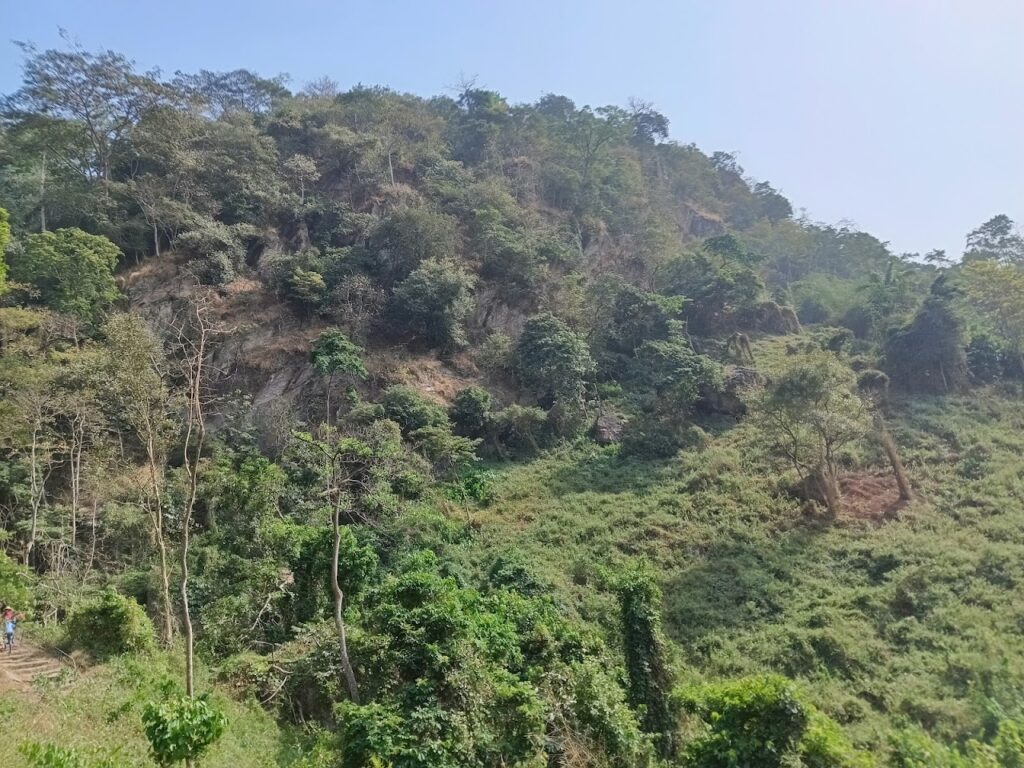
Another popular tale among the Erin-Ijesha community tells of warriors and hunters who came to the falls to draw strength and courage before battles. It was believed that bathing in the cool waters bestowed vigor and divine protection. Elders also recount that the falls once served as a secret refuge for those seeking safety during conflicts.
Even today, Olumirin Falls remains a cultural touchstone, blending myth and natural beauty. Visitors are told that beyond the seventh level lie mysterious caves where priest ancients once lived and communed with the gods.
Whether approached as a spiritual site or an ecological wonder, the legends of Olumirin enrich its identity, making it more than a landscape — it is a living memory of Yoruba heritage, a place where history, nature, and myth continue to flow together like the waters themselves.
Detailed itinerary of the visit
Erin Ijesha is surprisingly accessible by Nigerian standards. From Lagos, the journey stretches about 4 hours by road, typically via the Lagos–Ibadan Expressway and onward through Osogbo toward Ilesa, then branching off to Erin Ijesha.
From Osogbo, the drive lasts around 1.5 hours, leading through Ilesa and firmly marked roads to the waterfall site. A modest entrance fee (about ₦500) grants access, while local guides—strongly recommended — add historical and cultural depth to the visit.
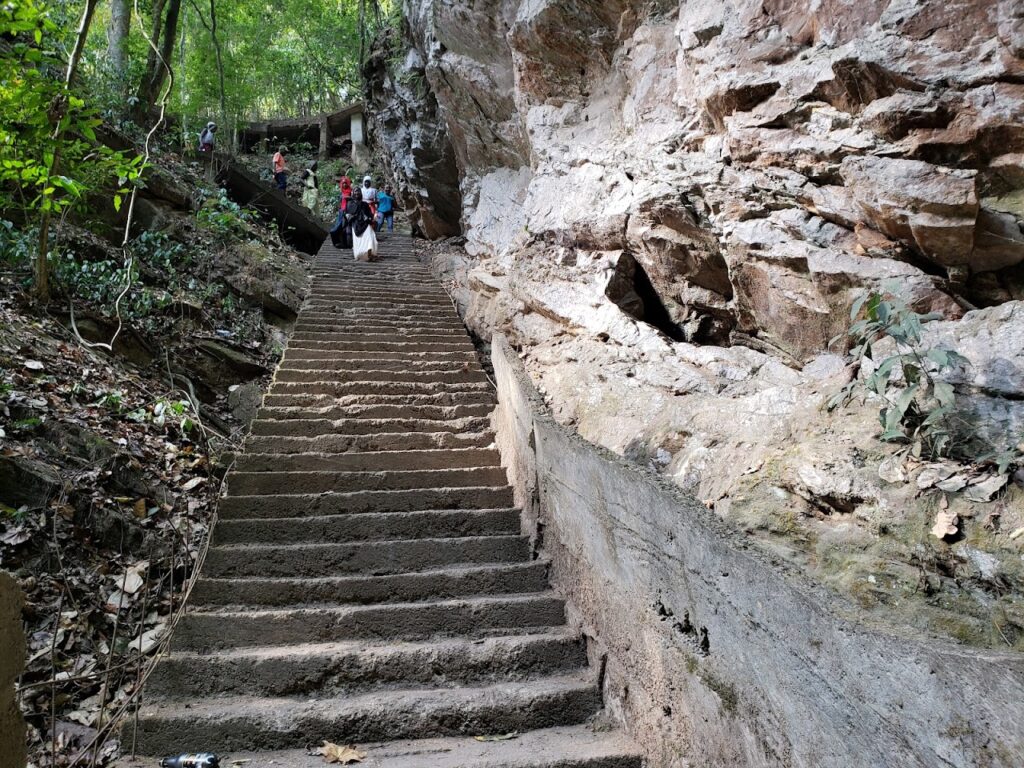
A typical visit begins at the entrance gate, where visitors purchase tickets and are greeted by local guides who often share stories of the waterfall’s history and legends. From here, a short walk through shaded paths leads to the first cascade, a wide, gentle flow surrounded by flat rocks. Many travelers spend time here to relax, take photographs, and acclimatize before climbing higher. The pool at this stage is shallow, making it ideal for wading and cooling off.
Continuing upward, the trail becomes steeper and rockier as it approaches the second and third levels. These cascades drop more forcefully, creating natural showers that adventurous visitors often stand beneath. The pools here are deeper and colder, offering invigorating dips. Climbers pause to enjoy the refreshing spray and the increasingly dramatic view of the forest canopy below.
The ascent to the fourth level introduces more physical challenge, with uneven rocks and narrow paths that require sturdy footwear and balance. At this point, the falls open into a dramatic vertical sheet of water, and the view stretches across the Ijesha countryside. The fifth level, just beyond, rewards climbers with another pool and a striking vantage point that captures both the cascade above and the sweeping valley below.
The sixth stage is less visited, as it demands greater endurance and caution. The path narrows, and the sound of rushing water intensifies. This stage is regarded with cultural reverence, and some visitors prefer to observe quietly rather than bathe.
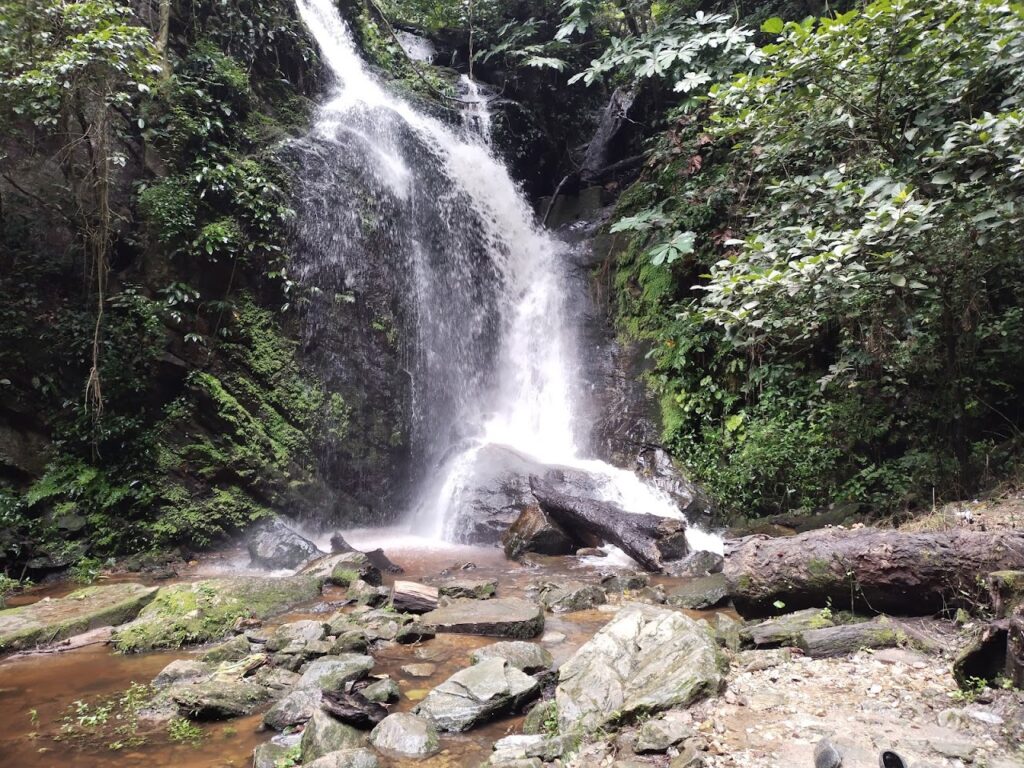
For those who continue, the seventh level marks the final ascent. Here, the water emerges directly from hidden springs at the top of the cliff, feeding all lower cascades. This serene spot, shaded by thick vegetation, feels secluded and sacred, making it a favorite for reflection and rest before descending.
The return journey follows the same path, with opportunities to revisit lower pools for a refreshing swim or photography before exiting through the main gate.
Reviews of Erin-Ijesha falls
The waterfall wins praise for its breathtaking tiers and adventure-filled terrain. Visitors rave about the cascading beauty across seven levels, with the second and third tiers especially enchanting—the water splash, suffused with surrounding greenery, is vividly described as refreshing and exhilarating.
Many recount the joy of climbing, even up to the fifth level, where effort meets nature’s reward. Hikers appreciate the unspoiled natural setting and the thrill of progression, noting how it combines a sense of accomplishment with immersive scenic splendor. The presence of drummers at the base, willing to play for tips, adds local warmth and spontaneity to the experience.
On the flip side, numerous reviews warn that beyond the second level, the trail becomes steep, slippery, and treacherous—marked more by roots and rocks than handrails—with minimal infrastructure or safety measures.
Visitors have described sections as scary, especially on wet slopes with no clear steps, making it risky for families, the less fit, or children. Several people also bemoan the lack of proper maintenance, confusing signage, and inadequate visitor facilities. Despite the natural allure, Erin-Ijesha is often seen as underdeveloped—its full potential dampened by unsafe access and limited amenities.
Video tour and 3D panorama
With its layered cascades, deep cultural roots, and accessible adventure, Erin Ijesha Waterfalls—Olumirin — stands as a splendid natural and spiritual destination. Whether drawn by history, hiking, or simply the sublime spectacle of falling water, it offers a richly layered experience firmly rooted in Nigeria’s heritage.